Overview of Kindergarten Curriculum
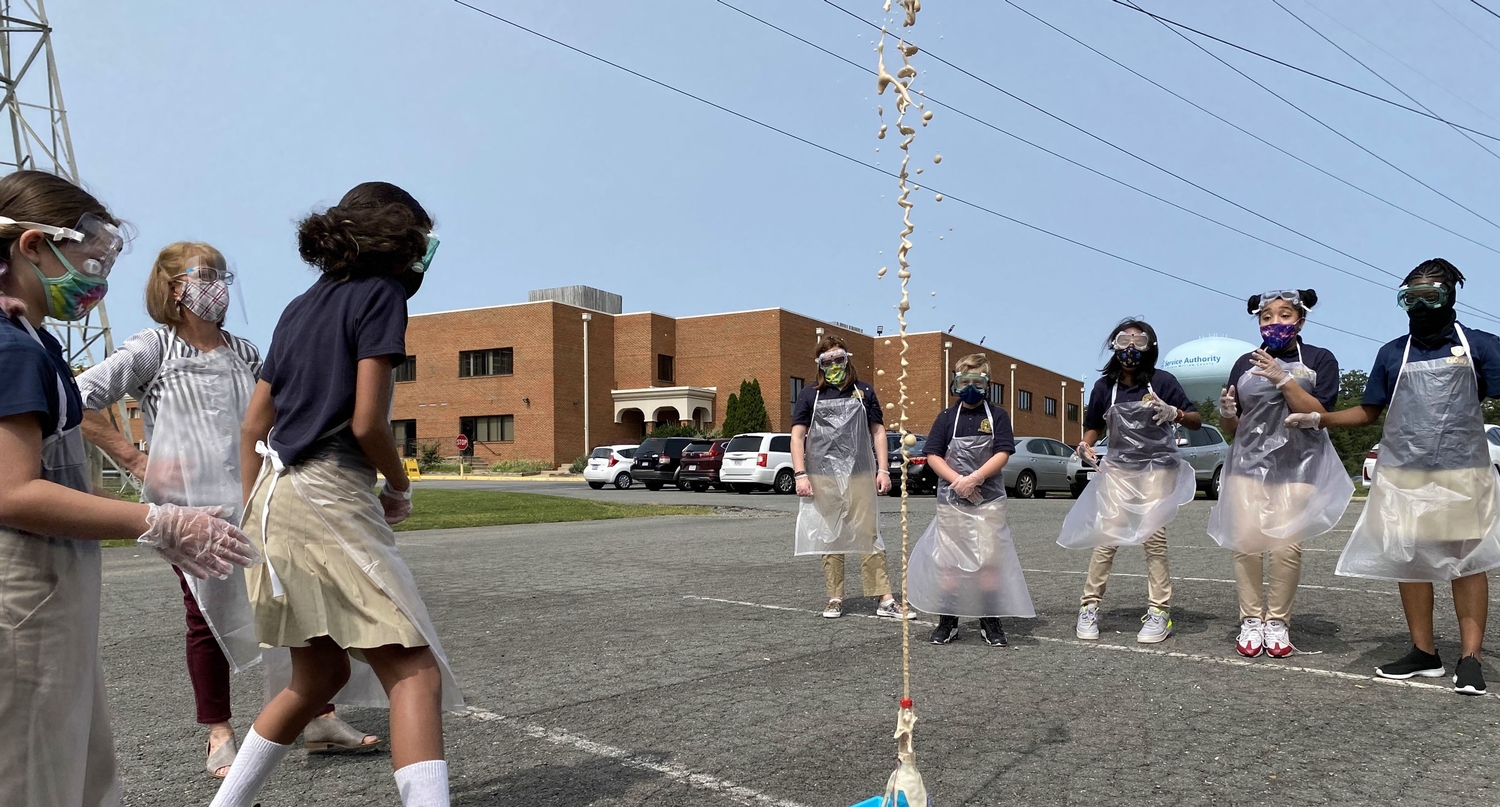
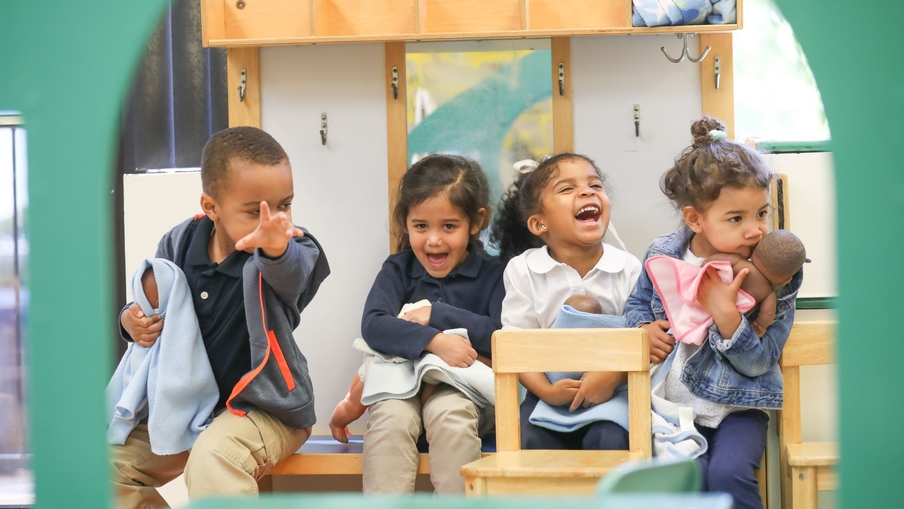
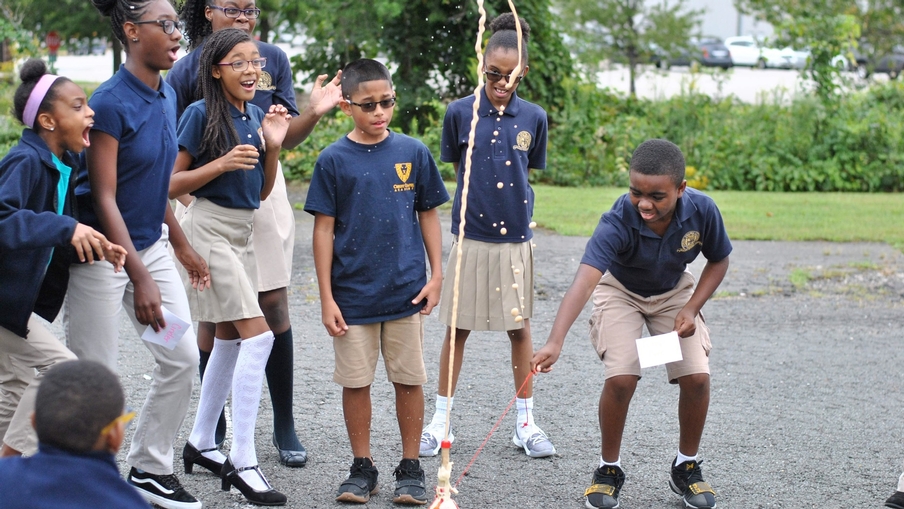
Extending our Christian philosophy of an integrated, balanced approach to learning from our preschool programs into our Kindergarten classes, the curriculum we have chosen allows students to experience learning in many different ways. Although students are introduced to a structured environment, much learning takes place by active involvement in the educational process. The students have opportunities to develop creative thinking and problem solving skills as they use manipulatives to understand math concepts, develop science experiments, or recreate a period of our country's history. A Christian worldview is integrated throughout all areas of the Kindergarten program, allowing the students to see the touch of His hand in all of creation.
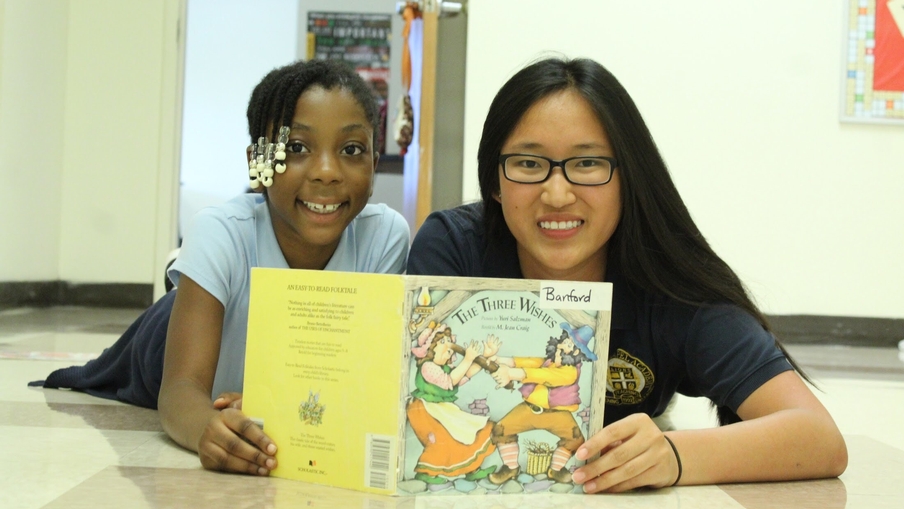
Language Arts, including Phonics, Handwriting Spelling and Reading---Bob Jones University Press Beginnings supported by The Writing and Spelling Road to Reading and Thinking, Bob Jones University Press Beginnings and readers and The Writing and Spelling Road to Reading And Thinking developed and published by Myrna McCulloch of the Riggs Institute, introduces students to language through a totally integrated approach. Students learn the phonograms that make up the English language by listening to them, speaking them and writing them in manuscript print. Once students begin to master the initial phonograms, they are introduced to spelling and creative writing. This strong phonics foundation builds student confidence in their language skills and encourages them to be life long readers. To compliment the Language Arts program, students use beginning readers from Bob Jones Publishers. Independent classroom reading, daily exposure to literacy and writing centers and reading to students from classic children's literature are an essential part of the program.
Social Studies and Science---A-Beka Publications: In science, Kindergarten students learn about God's plan for seeds, animals, the seashore, health, weather and seasons. Social Studies units include community helpers, our country, and children of the world. These subjects will come alive through hands on experiments and interactive projects.
Mathematics---Saxon /A-Beka Publications: Saxon Math provides Kindergarten students with a solid foundation of oral counting, number recognition and sequencing; identifying ordinal position, acting out addition and subtraction stories; counting with one-to-one correspondence; sorting; patterning; graphing real objects and pictures; identifying and counting pennies, dimes and nickels; identifying one half; identifying shapes; covering and replicating geometric designs; measuring using nonstandard units of measure; telling time to the hour; and using a calendar. Students are introduced to skills with daily lessons that involve the use of manipulatives. The Saxon approach allows students to continually reinforce important concepts that have been introduced. Students' individual needs are taken into account by continual review as well as extension activities. A-Beka mathematics supports Saxon mathematics by giving opportunities for regular, continued practice of skills learned.
Bible-God and Me---The Association of Christian Schools International: Although all of our curriculum is taught from a Christian perspective, the systematic study of God's word is an essential element of the Christian school. This non-denominational material teaches how to study God's word and apply it in practical ways to our daily lives.
Enrichment Classes:
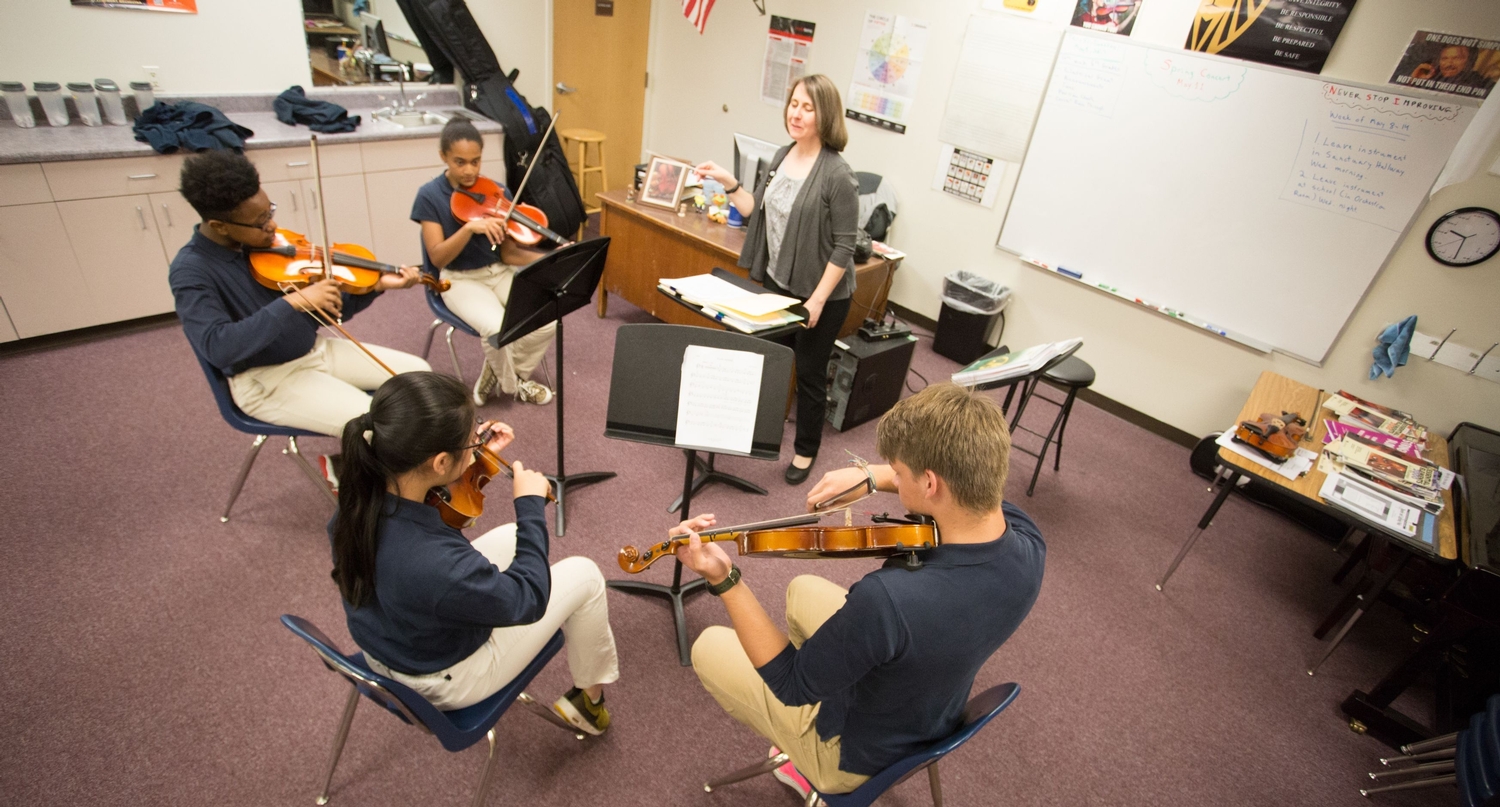
*Music: In weekly music classes, students are taught the fundamentals of rhythm and music theory. Students will also be involved in one school musical program each year.
*Physical Education: Our physical education teacher helps the students develop large motor skills and knowledge of games with rules.
*Library: All elementary students have the opportunity to visit the school library each week for a literacy lesson. They are also able to borrow books on a weekly basis.
*Spanish: Students learn conversational Spanish in a fun and interactive way through the internet language program Rosetta Stone.
*Art: Students have an art class in addition to the art that is integrated into the daily program. Students learn about different techniques and about working with different media, as well as receiving an introduction to Art History. They are introduced to famous artists, and see how Bible stories and concepts have been illustrated through the ages with art.
*Chapel: The entire elementary school joins together in the church chapel for a short service each Wednesday morning. This is a time of worship, prayer, and testimonies. Classes take turns presenting the weekly lessons. Christ Chapel Academy pastors are frequent visitors.
We also offer private music lessons at an additional fee.